
Material & Finish Innovations for Industrial Facilities in Houston: Resilience Meets Style
Industrial buildings in Houston have evolved. While performance and durability remain essential—supporting heavy equipment, high traffic, and demanding operational needs—owners and operators are increasingly expecting facilities to reflect professionalism, efficiency, and brand identity as well.
At Arte Architecture, we work with Houston-area businesses planning warehouses, manufacturing facilities, distribution centers, and office/warehouse hybrids. This article explores the materials and finishes shaping modern industrial projects today—and why they work particularly well in Houston’s climate.
If you’re planning an industrial project and researching industrial facility design in Houston or durable materials for industrial buildings, these are the decisions that most influence long-term performance and maintenance costs.
Why Houston’s Climate Shapes Material Choices
Houston’s heat, humidity, and storm patterns create real challenges for industrial facilities. Moisture intrusion, corrosion, UV exposure, and thermal movement all impact how materials age and perform over time.
That’s why successful industrial projects in this region rely on material palettes that prioritize resilience first, with aesthetics applied intentionally where they add value. In many cases, simplicity and proven performance matter more than novelty.
Many of the same envelope principles discussed in Designing for the Gulf Coast: How to Create Homes That Handle Heat, Humidity, & Storms apply directly to commercial and industrial buildings as well.
Flooring Systems Built for Industrial Use
Flooring is one of the most critical finish decisions in any industrial facility. The right system must support daily operations while minimizing downtime and long-term repair costs.
High-performance flooring systems are often selected based on operational demands such as chemical exposure, forklift traffic, sanitation requirements, and slip resistance. When properly specified, these systems provide durability, safety, and ease of maintenance—far beyond what standard concrete or surface coatings can offer.
The most common issues arise when flooring finishes are chosen without fully accounting for how the space will actually be used.
Interior Wall Systems That Balance Function and Appearance
Industrial interiors are trending toward brighter, cleaner, and more refined environments—not for appearance alone, but for practical reasons. Improved visibility supports safety, light-reflective surfaces reduce reliance on artificial lighting, and durable wall finishes simplify cleaning and upkeep.
This shift is especially noticeable in office/warehouse conversions and flex facilities, where operational zones coexist with client-facing or administrative spaces. When interiors are designed holistically, facilities feel cohesive rather than segmented.
For insight into how flexibility and function are shaping these environments, this perspective on how Houston companies are redesigning spaces for flexibility and future growth offers helpful context.
Exterior Materials That Perform and Age Well
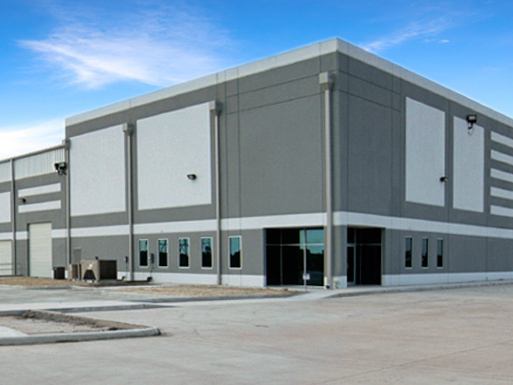
Houston industrial buildings often rely on robust exterior systems—metal panels, concrete tilt-wall construction, and durable roofing assemblies. Today, more attention is being paid to how these materials weather over time and how they contribute to a company’s visual identity.
Thoughtful detailing, consistent panel rhythms, and higher-performance coatings help facilities maintain a professional appearance without sacrificing durability. The goal is not ornamentation, but longevity and clarity.
Examples of this approach can be seen throughout Arte Architecture’s industrial and commercial work.
Building Envelopes That Support Long-Term Performance
Material and finish decisions should support the building envelope as a unified system. In Houston, effective envelope design helps control heat gain, manage moisture, and reduce operational costs.
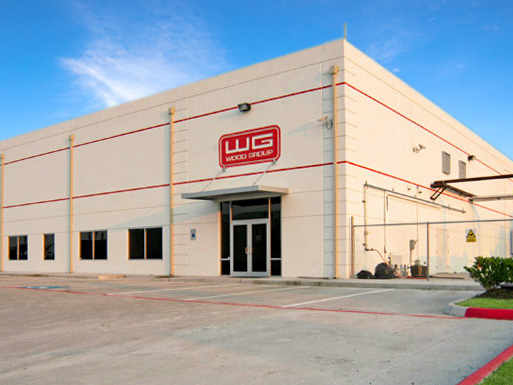
Roofing systems, insulation strategies, and wall assemblies work together to influence comfort, energy efficiency, and maintenance demands. Facilities that prioritize envelope coordination during design typically experience fewer issues over time.
What Resilience Really Means for Industrial Facilities
For Houston industrial projects, resilience is not about overbuilding—it’s about choosing materials that align with real operational conditions. Owners planning new construction or renovations often benefit from evaluating:
- Where the highest wear and exposure will occur
- Which areas require enhanced durability versus visual refinement
- How maintenance will be handled over time
- Which material decisions reduce the risk of downtime

A similar balance between performance and experience is explored in Light Industrial Spaces: Where Creativity Meets Function in Houston.
Designing Industrial Facilities That Perform Over Time
In Houston’s industrial environment, long-term performance isn’t defined by first impressions—it’s defined by durability, reliability, and how well a facility supports daily operations over time. Thoughtful material and finish selections reduce maintenance demands, minimize downtime, and allow buildings to adapt as needs evolve.
The most successful industrial projects prioritize materials that match real use conditions, anticipate wear, and perform consistently in Houston’s climate. When these decisions are made early and intentionally, facilities are better equipped to deliver value well beyond completion.
How Arte Approaches Industrial Material and Finish Planning
Successful material selection never happens in isolation. Operations, budget, schedule, and Houston-specific environmental conditions all influence what works best for an industrial facility over time.
Arte Architecture supports industrial, manufacturing, distribution, and hybrid facilities by integrating material and finish planning directly into the architectural process. This approach ensures selections align with both functional demands and long-term value, from early concept development through construction documentation. You can learn more about how this integrated thinking carries through our architectural services.
This philosophy is rooted in the firm’s broader design approach—balancing performance, clarity, and longevity—which is outlined in more detail through the story and values behind Arte Architecture.
For those interested in what it’s like to work with the team, client experiences and feedback are shared through Arte’s reviews, offering perspective on how this approach translates into real-world projects. Ultimately, it’s this attention to performance, context, and real operational demands that allows industrial facilities to deliver value long after construction is complete.
