
Adaptive Reuse in Houston: Converting Commercial Shells into Modern Workspaces & Light-Industrial Facilities
Across Houston, vacant and underutilized commercial buildings are finding new purpose. Instead of tearing down and starting over, many businesses are choosing adaptive reuse, transforming existing office, retail, or warehouse shells into efficient modern workspaces and light-industrial facilities.
For organizations focused on flexibility, speed to market, and long-term performance, adaptive reuse in Houston offers a practical alternative to ground-up construction. When guided by thoughtful architectural planning, existing buildings can become highly functional environments that support operations today while remaining adaptable for the future.
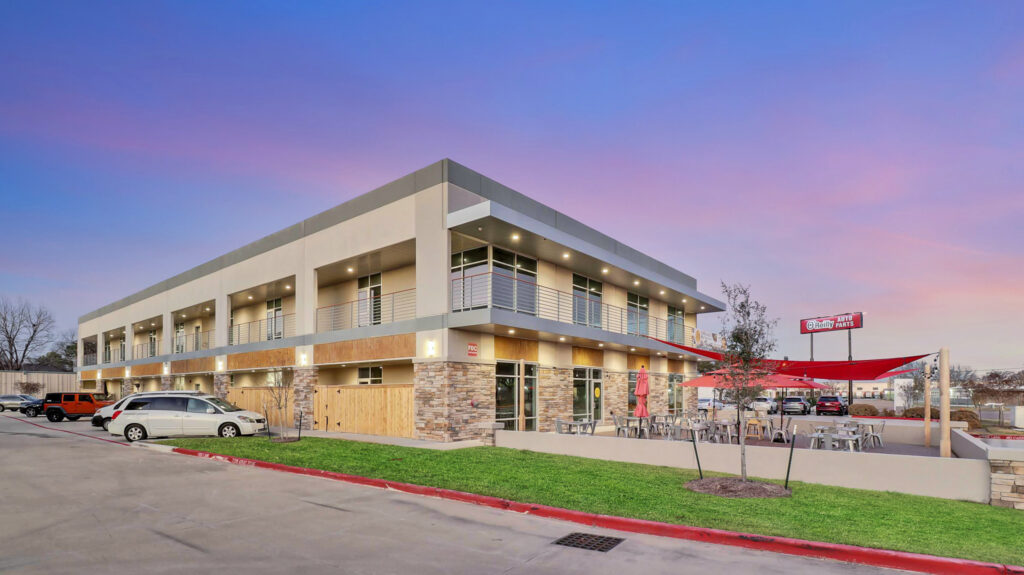
Why Adaptive Reuse Is Gaining Momentum in Houston
Houston’s expansive commercial building stock, combined with rising construction costs and evolving workplace needs, has made adaptive reuse an increasingly attractive strategy. Converting an existing structure often allows businesses to capitalize on established infrastructure, utilities, and site access while avoiding the timelines associated with new development.
Reuse projects also allow owners to rethink how space is used, creating facilities that balance operational efficiency, employee experience, and brand presence without unnecessary overbuilding.
From Commercial Shells to Light-Industrial Workspaces
One of the most common reuse scenarios in Houston involves converting office or mixed-use shells into light-industrial workspaces. These hybrid facilities often combine administrative offices, technical areas, storage, and production zones within a single footprint.
Successful conversions typically require:
- Flexible floor plates that support changing workflows
- Durable interior finishes designed for higher wear
- Upgraded mechanical and electrical systems
- Clear separation between public, office, and operational areas
This trend reflects a broader shift toward adaptable environments, explored further in our blog on how Houston companies are redesigning spaces for flexibility and future growth.
Design Challenges That Shape Reuse Projects
Adaptive reuse is not a simple retrofit. Existing structures bring constraints – structural grids, ceiling heights, envelope conditions, and code considerations – that must be evaluated early.
Architectural planning plays a critical role in determining:
- How a building’s structure can accommodate new uses
- Where envelope upgrades are needed for performance
- How circulation and loading can be improved
- Whether zoning and occupancy requirements align with the new program
Material and finish decisions become especially important in reuse projects, as explored in Material & Finish Innovations for Industrial Facilities in Houston, where durability and performance guide long-term success.
Balancing Performance, Brand, and Longevity
Modern adaptive reuse projects are designed to do more than “work.” They’re expected to reflect professionalism and support brand identity, particularly in client-facing or mixed-use environments.
Interior strategies often prioritize:
- Flooring systems that support equipment and traffic
- Wall finishes that balance durability with visibility
- Lighting that improves safety and usability
- Exterior updates that enhance presence without altering structure
When these elements are considered together, adaptive reuse projects can achieve a balance between operational efficiency and visual clarity—creating environments that support daily use while reinforcing a professional, long-term presence.
Sustainability Through Reuse
Adaptive reuse is also one of the most effective sustainability strategies available. By preserving existing structures, projects reduce embodied carbon, limit material waste, and make more efficient use of resources.
For Houston businesses looking to align operational goals with responsible development, reuse offers a way to improve performance while minimizing environmental impact, without compromising functionality.
Designing for Future Flexibility
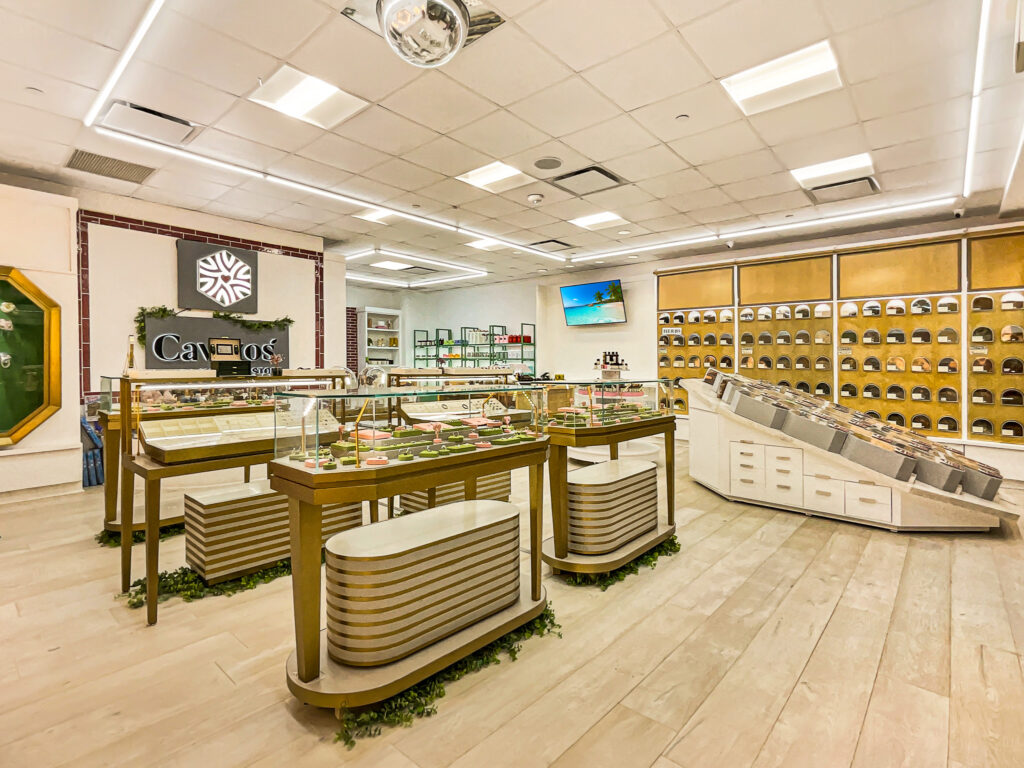
One of the greatest advantages of adaptive reuse is the ability to plan for what comes next. Facilities designed with flexibility in mind are better positioned to evolve, whether that means expanding operations, reconfiguring work areas, or integrating new technologies.
This forward-looking approach echoes themes explored in Light Industrial Spaces: Where Creativity Meets Function in Houston, where adaptability is essential to long-term viability.
How Arte Architecture Approaches Adaptive Reuse
Adaptive reuse requires a careful balance of technical analysis, creative problem-solving, and practical decision-making. Arte Architecture approaches reuse projects by integrating architectural planning, material strategy, and systems coordination to ensure existing buildings perform reliably under new demands.
As a firm, Arte Architecture offers architectural services that support commercial, industrial, and hybrid reuse projects from early evaluation through construction documentation. Client experiences with this approach are reflected in Arte’s reviews.
Examples of reuse-driven work can be explored through Arte’s commercial portfolio and industrial portfolio.
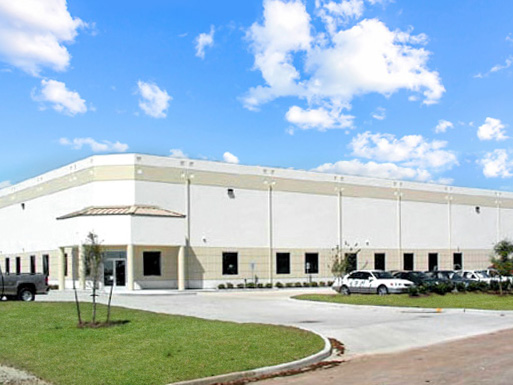
Rethinking What Existing Buildings Can Become
In Houston, adaptive reuse is less about compromise and more about opportunity. With the right architectural strategy, existing commercial shells can become efficient, resilient environments that support modern operations and long-term growth.
For organizations considering reuse as part of their next move, thoughtful planning can turn an existing building into a lasting asset, rather than a temporary solution.
