
Classic Meets Contemporary: How to Blend Architectural Styles in Houston Homes
Houston has never been defined by a single architectural style. Walk through different neighborhoods and you’ll find traditional brick homes, Mediterranean-inspired estates, sleek modern residences, and transitional designs that combine elements from multiple eras. That diversity is part of what makes custom home design in Houston so compelling.
In recent years, homeowners have moved away from purely trend-driven aesthetics. Instead, many are choosing homes that blend classic architectural elements with contemporary features. The goal isn’t to follow a single style label—it’s to create a home that feels timeless, functional, and aligned with how people live today.
For homeowners exploring classic-contemporary design in Houston, the challenge is finding the right balance between tradition and innovation.
Why Houston Homes Naturally Blend Styles
Houston’s architectural landscape encourages flexibility. The city’s mix of historic neighborhoods, modern developments, and expanding suburban communities creates opportunities for design that respects context while introducing new ideas.
Climate also plays an important role. Homes must respond to heat, humidity, and strong sunlight, which often leads architects to combine traditional design strategies—such as deep roof overhangs and shaded outdoor spaces—with contemporary materials and layouts.
Many of these climate-responsive considerations are explored further in Designing for the Gulf Coast: How to Create Homes That Handle Heat, Humidity, & Storms, where performance and comfort guide architectural decisions in the region.
Rather than adhering to a strict style category, many Houston homeowners are embracing home style blending in Texas, allowing architecture to evolve naturally from both environment and lifestyle.
What “Classic Meets Contemporary” Really Means
Blending architectural styles doesn’t mean mixing unrelated elements. The most successful homes rely on one dominant architectural language supported by carefully selected secondary influences.
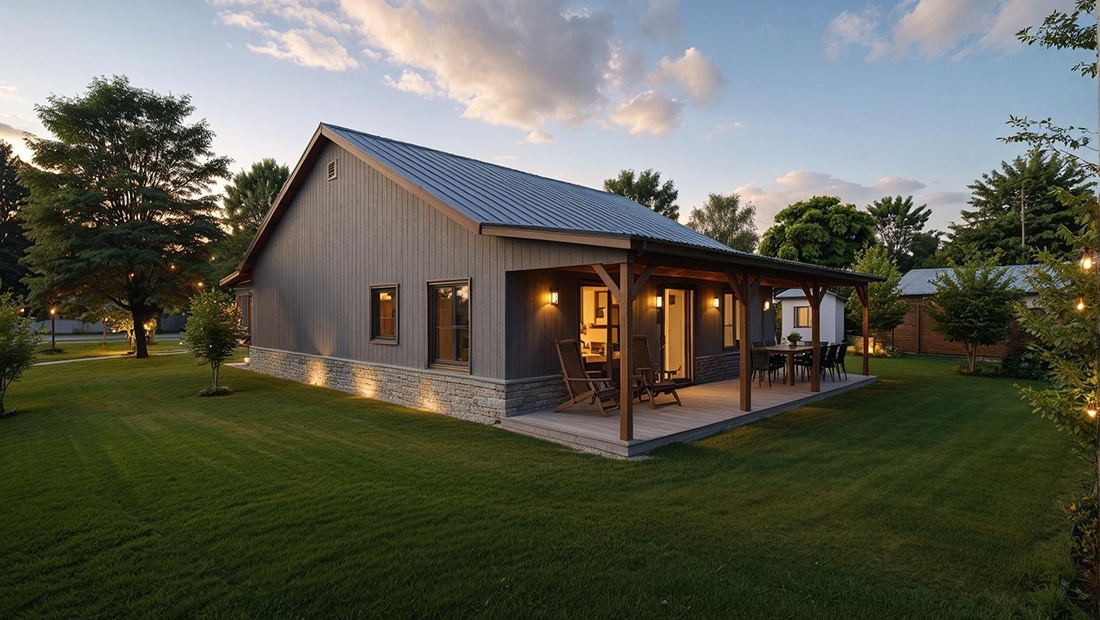
For example, a home may retain traditional proportions and masonry materials while incorporating contemporary interior layouts, larger window openings, and simplified detailing. Others may feature modern forms softened by warmer materials like stone, wood, or brick.
When these elements are coordinated thoughtfully, the result feels cohesive rather than experimental.
Where Style Blending Happens Most Often
In custom residential design, the transition between classic and contemporary elements often occurs through proportion, materials, and interior layout rather than decorative details.
Exterior architecture may retain familiar forms—pitched roofs, masonry façades, or balanced symmetry—while incorporating modern window systems and streamlined trim profiles. Inside the home, open living areas, expansive kitchens, and stronger indoor-outdoor connections reflect contemporary lifestyles.
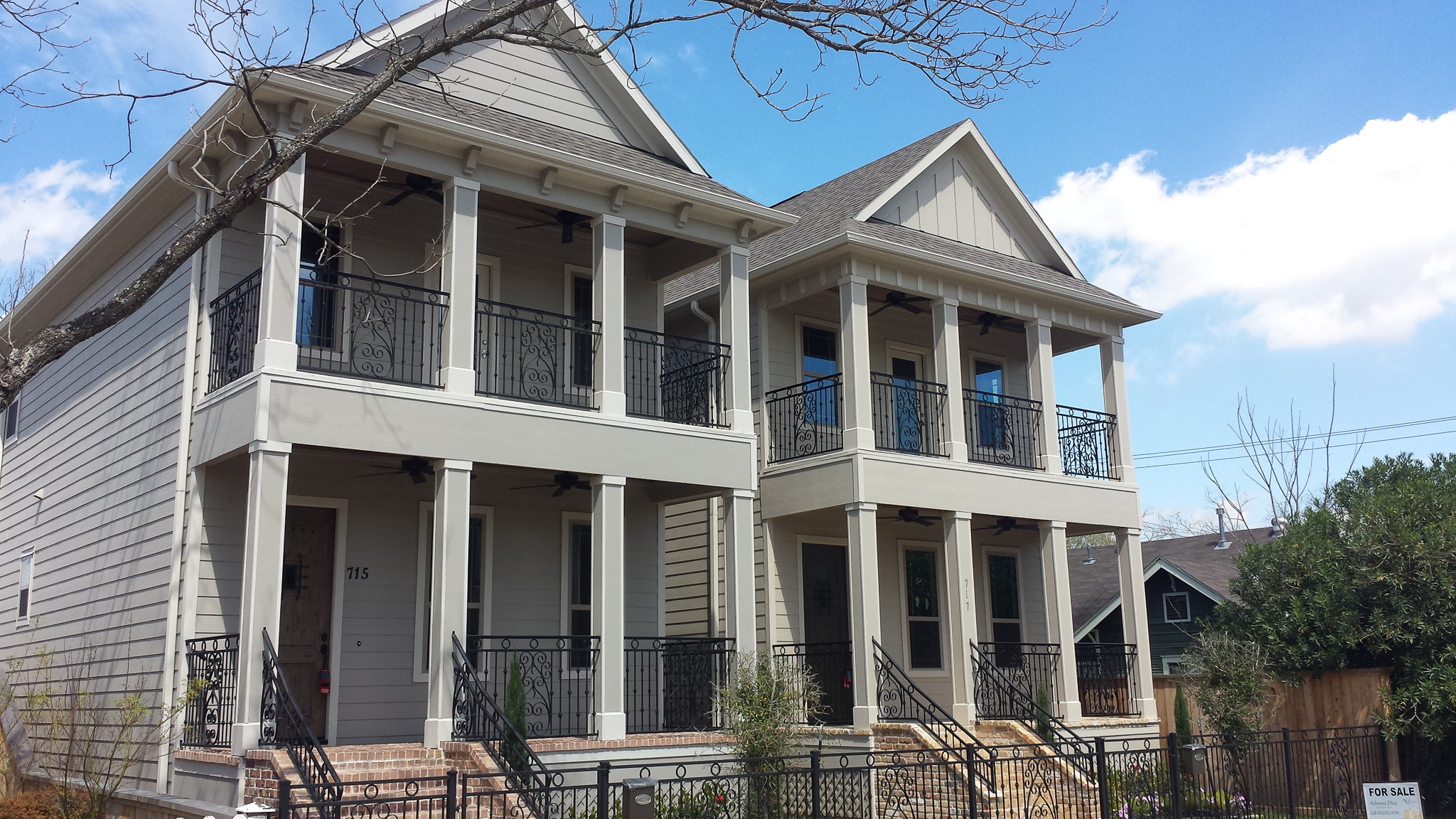
This balance allows homes to feel both rooted and forward-looking, something many Houston homeowners value when building long-term residences.
Examples of this thoughtful approach can be seen throughout Arte Architecture’s Residential Portfolio, where homes are designed to respond both to their surroundings and to the evolving needs of modern families.
The Role of Site and Context
One of the most important factors in blending architectural styles successfully is the property itself. Lot orientation, neighborhood character, and surrounding landscape all influence which elements should lead the design.
Homes that respond thoughtfully to their context tend to feel more cohesive, even when they introduce contemporary features. In established neighborhoods, subtle modernization can preserve architectural continuity while improving functionality.
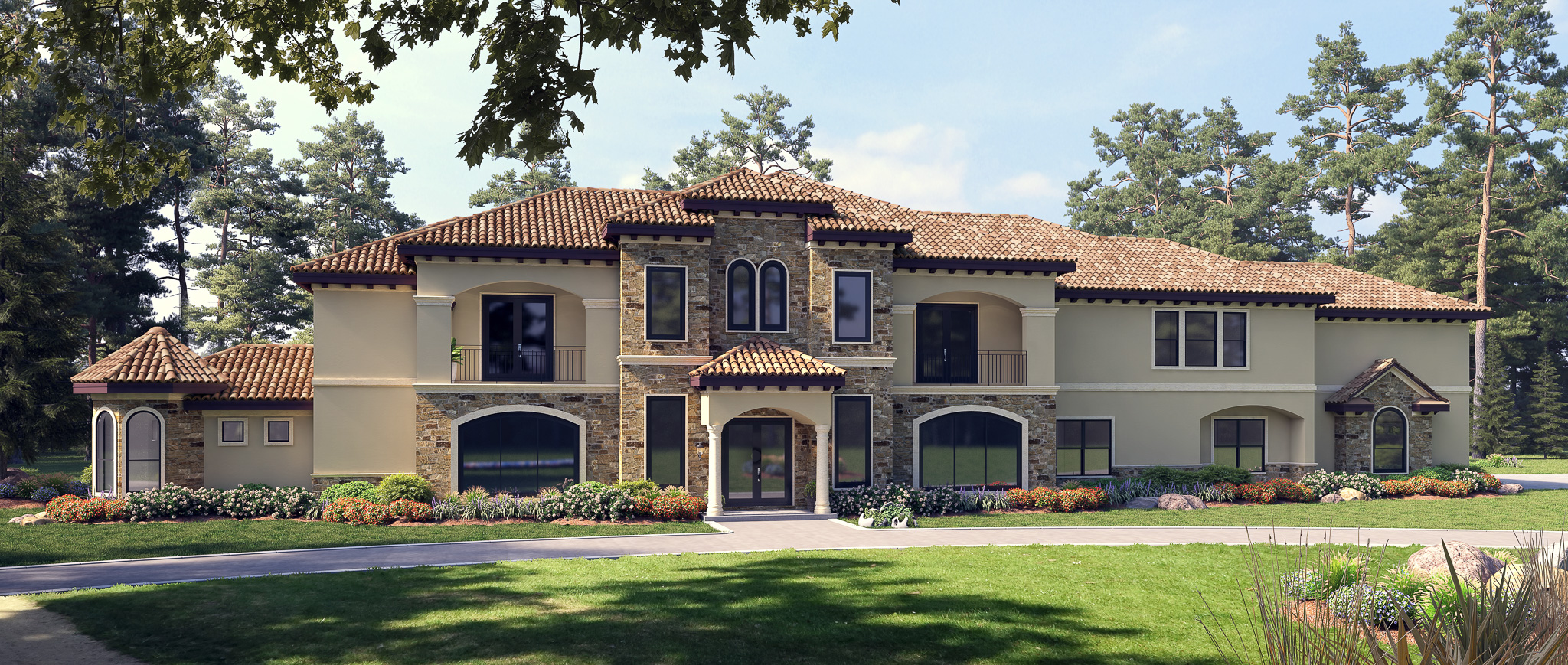
This relationship between style, environment, and design clarity is explored further in Houston Custom Home Style Guide: Popular Architectural Expressions for 2026, which examines the design directions shaping custom homes across the city.
Avoiding the “Mixed Style” Trap
While blending styles can produce beautiful results, it requires discipline. Without a clear architectural strategy, homes can become visually fragmented—mixing materials, rooflines, and decorative elements that compete rather than complement one another.
Cohesion often comes from restraint. Limiting the palette of materials, maintaining consistent proportions, and allowing certain design elements to repeat throughout the home creates visual continuity.
When these principles guide the design, the result feels intentional rather than assembled.
The Architect’s Role in Creating Cohesion
Translating design inspiration into a cohesive home requires more than selecting finishes or referencing styles. Architects help homeowners evaluate how structure, materials, proportions, and layout work together to create a unified design.
At Arte Architecture, the design process begins with understanding how clients live and how their homes should respond to Houston’s climate, neighborhoods, and long-term use. Through careful planning and coordination, classic and contemporary elements can be integrated in ways that feel both timeless and functional.
Arte’s architectural services guide homeowners through this process—from early concept development to construction documentation—ensuring design decisions remain cohesive throughout the project.
Homeowners interested in how this approach translates into real projects can also explore feedback shared through Arte’s client reviews, where the design experience and collaboration process are reflected in homeowners’ own words.
Designing Homes That Age Gracefully
Architectural styles inevitably evolve, but homes that balance classic principles with contemporary design tend to age more gracefully than those built around short-term trends.
In Houston, where many homeowners build with long-term livability in mind, blending traditional structure with modern functionality allows homes to remain adaptable for decades.
When architecture is grounded in thoughtful design rather than decoration, the result is a home that feels just as intentional years from now as it did the day it was completed.
