
Interior Features That Matter in 2026: From Statement Doors to Smart Storage in Houston Homes
When homeowners think about designing a custom home, the focus often starts with big-picture decisions—layout, square footage, and exterior style. But what ultimately shapes how a home feels day to day are the interior architectural features.
In Houston, where climate, lifestyle, and long-term livability all influence design, these details matter even more. As we move into 2026, homeowners are placing greater emphasis on interior elements that improve functionality, enhance comfort, and reflect a more intentional approach to design.
For those exploring interior design details in Houston, the conversation is shifting from decoration to performance—where each feature serves a purpose.
Why Interior Features Are Getting More Attention
Interior design is evolving beyond aesthetics. Homeowners are increasingly focused on how spaces function over time—how they adapt to changing routines, support organization, and create a sense of ease in everyday living.
This shift is especially relevant in Houston homes, where indoor-outdoor transitions, storage needs, and climate considerations influence how interior spaces are used.
Many of these priorities align with broader residential design themes explored in Houston Custom Home Style Guide: Popular Architectural Expressions for 2026, where long-term livability and clarity of design guide decision-making.
Statement Doors as Architectural Features
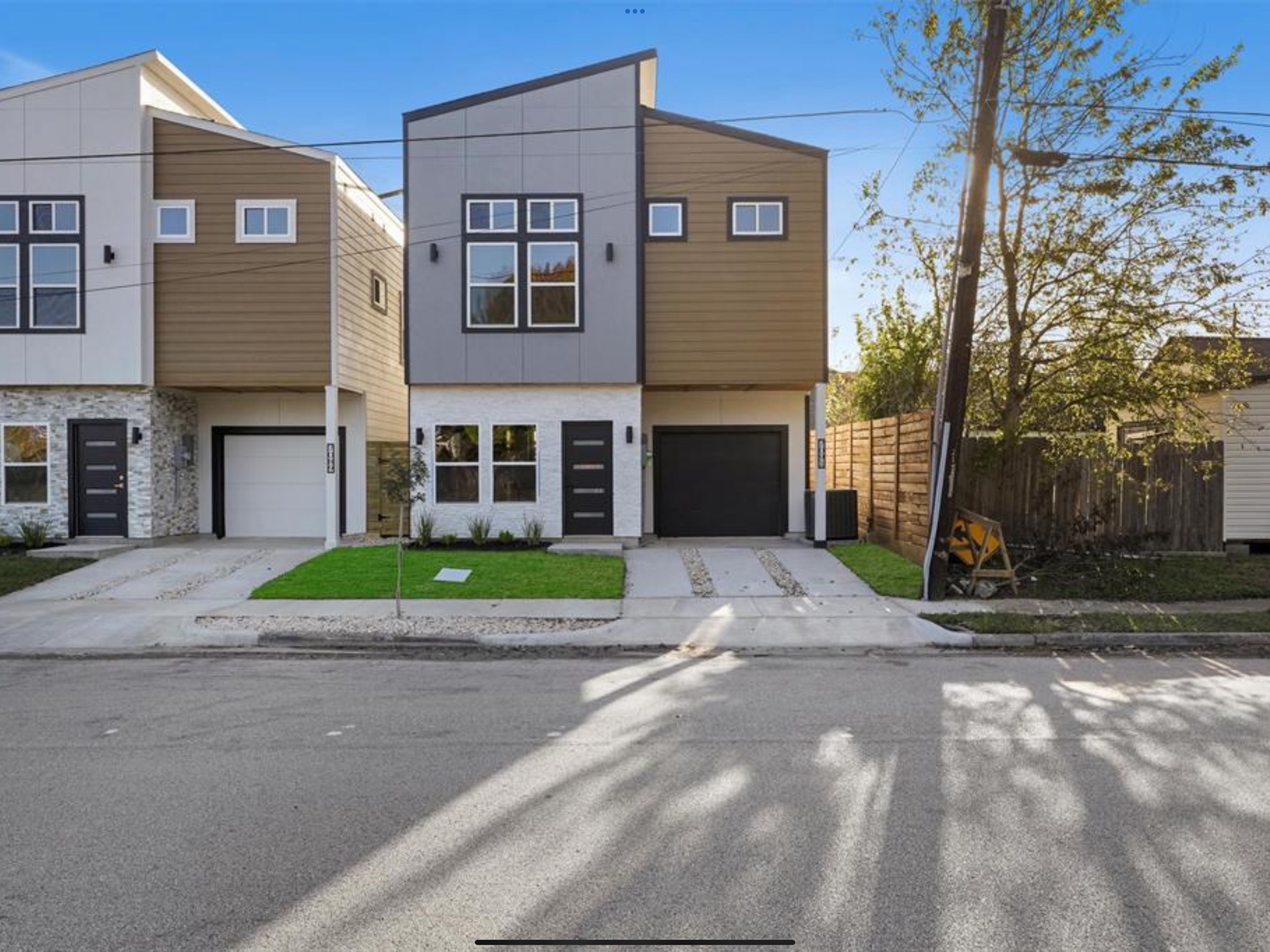
Interior doors are no longer treated as background elements. In many custom homes, they are becoming architectural features that define space and add character.
Larger openings, solid-core doors, custom millwork, and simplified profiles are being used to create visual continuity throughout the home. In open floor plans, doors help establish transitions between spaces without disrupting flow.
When designed thoughtfully, doors contribute to both privacy and proportion, reinforcing the overall architectural language of the home rather than feeling like an afterthought.
Smart Storage That Supports Daily Living
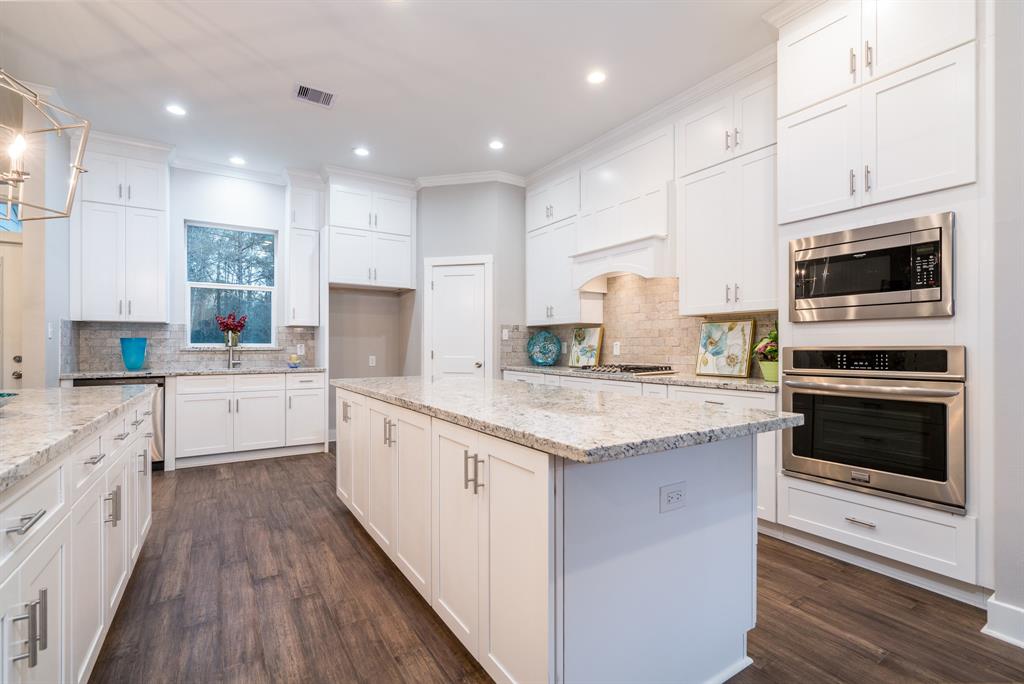
Storage is one of the most practical—and often overlooked—interior features in residential design. In 2026, homeowners are moving beyond basic closets toward integrated storage solutions that support how they actually live.
Well-designed storage considers:
- how frequently items are used
- where daily routines begin and end
- how to reduce visual clutter
From concealed cabinetry to built-in organization systems, storage is becoming more intentional and less visible. The goal is to create spaces that feel calm and functional without sacrificing accessibility.
This emphasis on thoughtful planning connects to ideas discussed in Top Houston Home Design Resolutions for 2026: What to Set Before You Build, where early decisions shape long-term usability.
Lighting That Shapes the Experience of Space
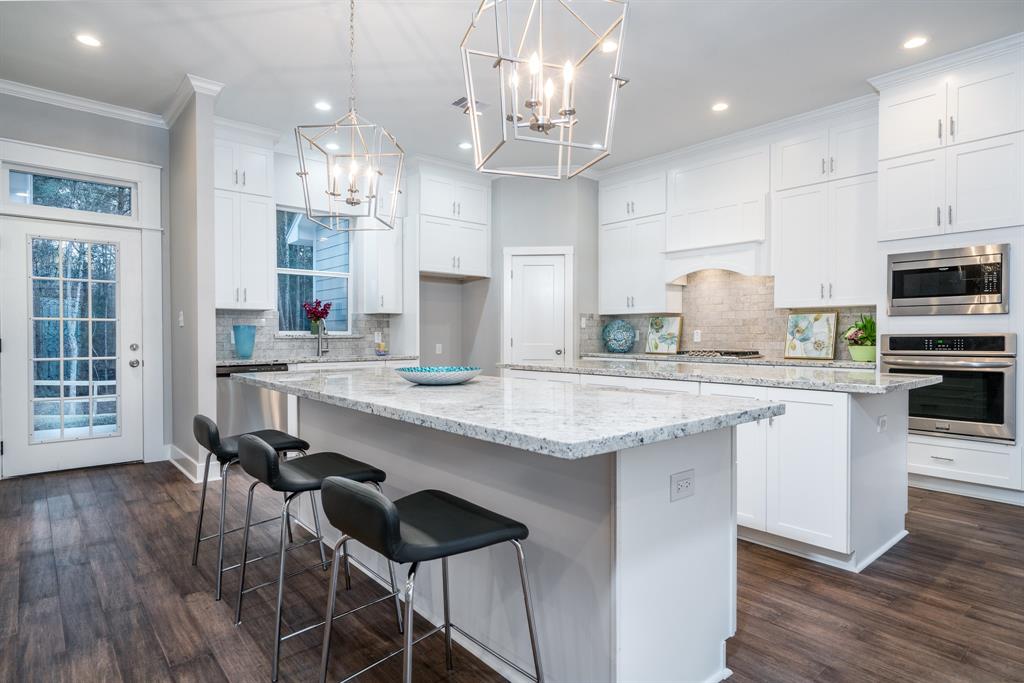
Lighting continues to play a defining role in how interior spaces are perceived. Rather than relying on a single source of illumination, homeowners are prioritizing layered lighting that responds to different times of day and activities.
Natural light remains a key driver in Houston homes, but artificial lighting is increasingly designed to complement it—enhancing materials, improving visibility, and creating a more comfortable atmosphere.
When coordinated early in the design process, lighting supports both function and architectural expression, contributing to a home that feels balanced and intentional.
Material Transitions and Interior Flow
Interior features are not isolated—they work together to create continuity. One of the most noticeable trends in custom home interior trends in Texas is the emphasis on smooth transitions between spaces.
Flooring changes, ceiling treatments, and wall finishes are being used to define areas without interrupting flow. Rather than abrupt transitions, homeowners are choosing subtle shifts that maintain visual cohesion while still giving each space its own identity.
This approach allows homes to feel more connected and easier to navigate, especially in open-concept layouts.
Spaces Designed Around Real Life
Another important shift in residential features for 2026 is designing spaces around actual routines rather than idealized layouts.
Mudrooms, laundry areas, secondary prep kitchens, and flexible workspaces are being designed as integrated parts of the home rather than afterthoughts. These spaces support how families move through the home each day, reducing friction and improving organization.
When interior features are aligned with real-life use, homes feel more efficient and easier to maintain over time.
The Architect’s Role in Interior Features That Last
Interior details may seem small individually, but they require coordination across multiple systems—structure, lighting, HVAC, and materials. Without early planning, even well-intended features can conflict, leading to compromises in both performance and design clarity.
At Arte Architecture, interior features are considered part of the overall architectural framework. From door placement and ceiling design to storage integration and lighting coordination, these elements are planned alongside the home’s structure and layout. This approach ensures that interior design details in Houston homes support both function and long-term livability, rather than feeling like isolated decisions.
Arte’s architectural services guide homeowners through these choices from concept through construction documentation, creating spaces that feel cohesive, intuitive, and adaptable over time. In Houston, where custom homes are designed for long-term use, the most successful interiors go beyond aesthetics. When interior features are approached with the same level of care as the overall architecture, the result is a home that supports daily life—not just visually, but practically.
