
Designing Commercial Spaces That Work: How Houston Businesses Balance Function, Flexibility, and Client Experience in 2026
Commercial architecture in Houston is evolving. While efficiency and performance remain essential, businesses are placing greater emphasis on how their spaces function for employees, clients, and day-to-day operations.
In 2026, successful commercial design is no longer defined by square footage alone. It’s shaped by how well a space supports flexibility, communicates brand identity, and adapts to changing needs over time.
For companies planning new construction or renovations, the goal is clear: create a space that works—not just structurally, but operationally and experientially.
Why Commercial Design Priorities Are Shifting
Houston businesses are rethinking how their spaces are used. Hybrid work models, evolving operational demands, and increased focus on client experience are driving changes in how commercial environments are designed.
Offices are no longer just places to work. Warehouses are no longer purely industrial. Many facilities now combine multiple functions within a single footprint—blending administrative areas, operational zones, and client-facing spaces.
This shift reflects a broader move toward flexibility, where buildings are expected to support both current needs and future growth.
Balancing Function and Flexibility
At the core of effective commercial design is function. Layout, circulation, and zoning must align with how a business operates daily.
But in today’s environment, function alone isn’t enough. Spaces must also be adaptable.
Teams grow, workflows evolve, and technologies change. Buildings that are too rigid can quickly become limiting.
Designing for flexibility often means:
- creating open or reconfigurable layouts
- planning for future infrastructure needs
- allowing different uses to coexist within the same space
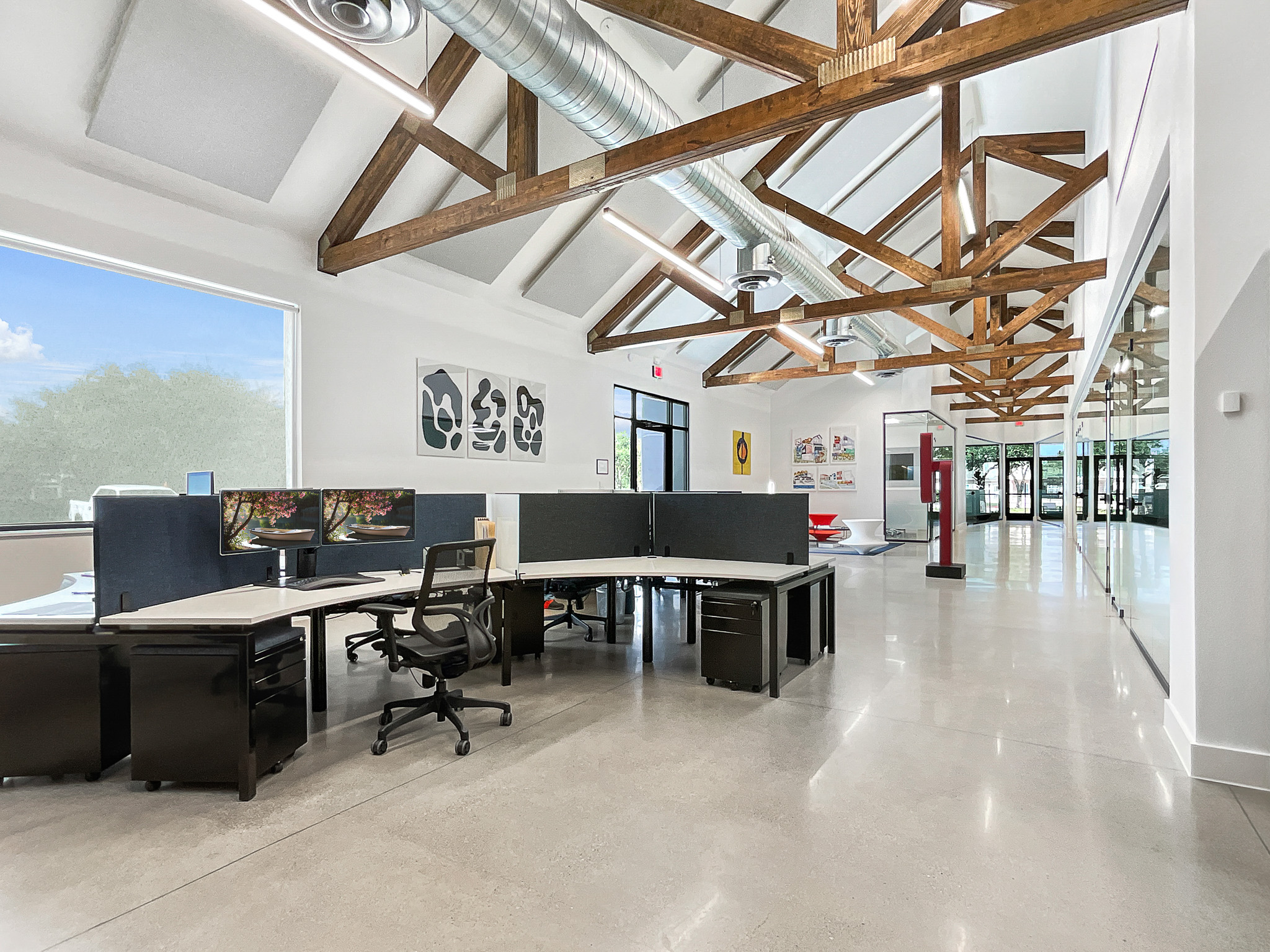
Many of these ideas are explored in Adaptive Reuse in Houston: Converting Commercial Shells into Modern Workspaces & Light-Industrial Facilities, where existing buildings are transformed to meet new demands.
Designing for the People Who Use the Space
One of the most significant changes in commercial architecture is the focus on experience. Employees, clients, and visitors all interact with a space differently, and design must account for each perspective.
Natural light, acoustics, circulation, and spatial clarity all contribute to how a space feels and functions.
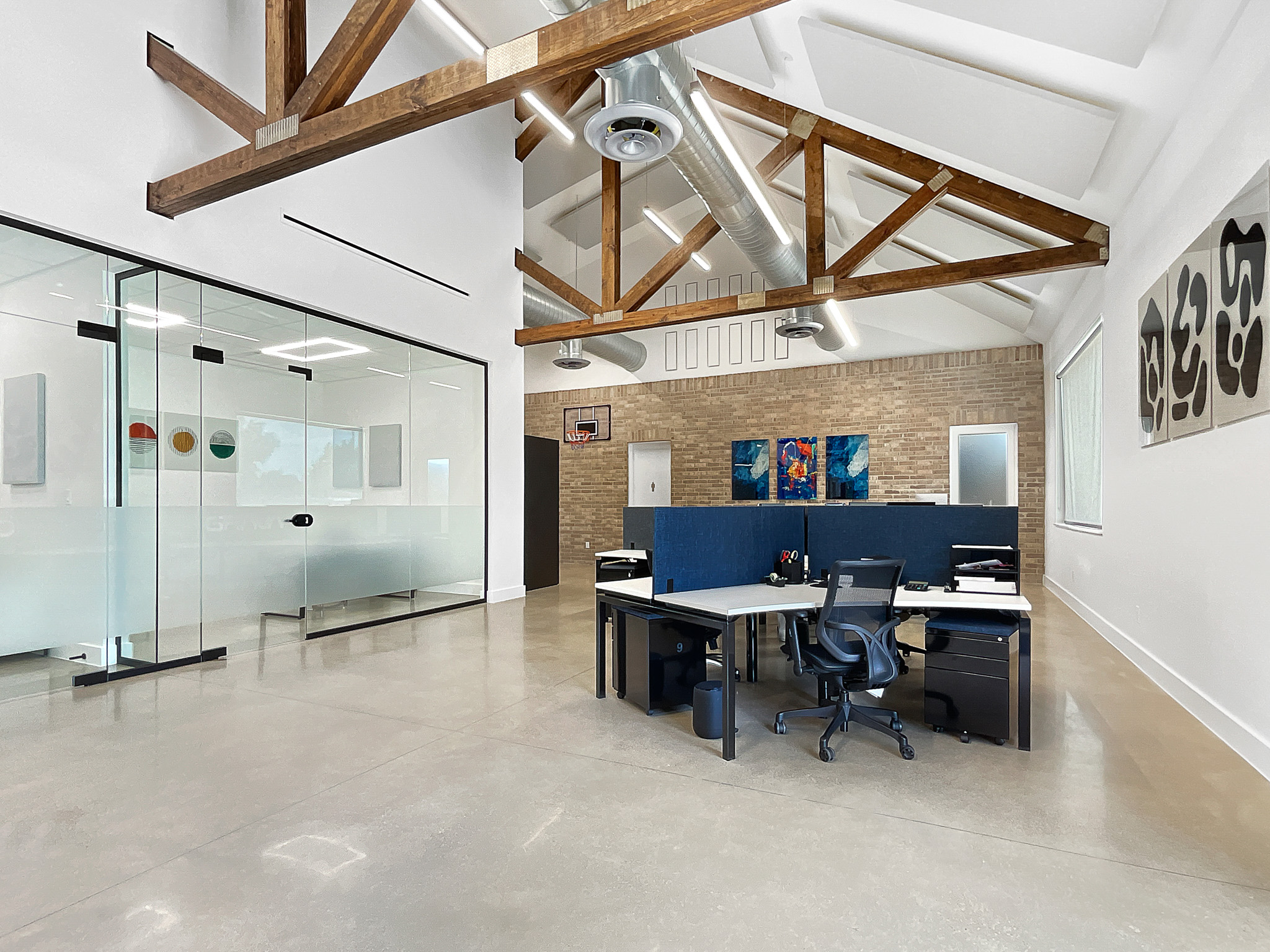
Even in industrial or operational environments, these elements can improve usability and efficiency.
This people-focused approach is especially important in hybrid environments—where office, warehouse, and client-facing areas overlap. When spaces are designed with real users in mind, they feel intuitive rather than forced.
Client-Facing Spaces and First Impressions
For many Houston businesses, commercial space is also a reflection of brand identity. Reception areas, meeting spaces, and showrooms often shape a client’s first impression.
Rather than relying on decorative elements alone, businesses are using architecture itself to communicate professionalism and clarity. Material selection, lighting, and layout all play a role in how a space is perceived.
These considerations align with ideas explored in High-Impact Lighting Design for Houston Homes: How to Get It Right in 2026, where lighting is used not just for visibility, but to shape experience and perception—principles that apply equally in commercial environments.
Material and Performance Considerations
Houston’s climate continues to influence commercial design decisions. Heat, humidity, and long-term wear require materials that perform reliably over time.
Durability, maintenance requirements, and environmental exposure all factor into material selection—particularly in facilities that combine office and operational uses.
These performance-driven decisions are discussed in more detail in Material & Finish Innovations for Industrial Facilities in Houston, where long-term durability and function guide material strategies.
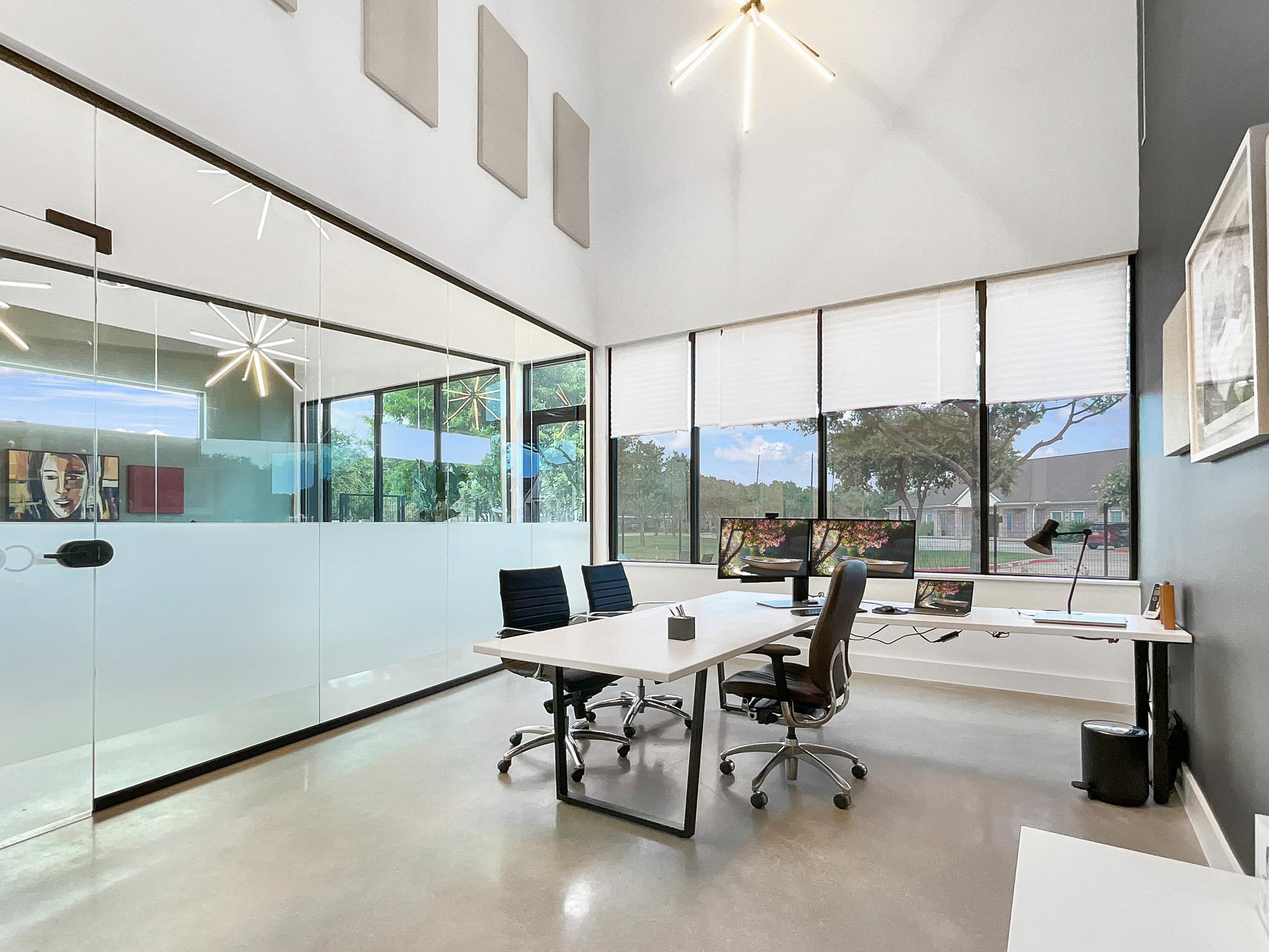
How Commercial Spaces Come Together—and Work Over Time
Successful commercial design doesn’t happen in isolated decisions. It requires early planning, clear priorities, and coordination across layout, systems, materials, and long-term operational needs.
When these elements are considered together from the beginning, spaces function more efficiently and adapt more easily as businesses evolve. This is especially important in Houston, where commercial environments often need to support a mix of office, operational, and client-facing uses.
At Arte Architecture, commercial projects are approached as fully integrated environments. From concept through construction documentation, design decisions are aligned with how the space will be used day to day—and how it may need to change over time.
When architecture balances function, flexibility, and experience, businesses gain more than a building. They gain a space that works—today and into the future.
